Going Beyond Project Expands to 40 Partnerships, with an Additional 25 Youth-Serving Organizations Across Four African Countries

This article was first published on the Digital Opportunity Trust (DOT) website. (opens in a new tab)
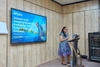
The Going Beyond – Partnering for a Youth-Led Future project has expanded its network with the addition of 25 youth-serving organizations across four African countries – Côte d’Ivoire, Malawi, Zambia, and Tanzania.
These youth-led and youth-serving partner organizations join existing partners from the last two years, bringing the total number of implementing partners to 40. The new partnerships will help strengthen youth-led initiatives and accelerate efforts to equip young people with the tools and support needed to build sustainable futures.
The addition of these new partners achieves a project milestone, expanding the network and enhancing the scale through which youth-led innovation and opportunity are delivered. With this expansion, Going Beyond is collectively strengthening the delivery ecosystem and advancing the project’s targets of supporting 300,000 young African entrepreneurs with critical technology and business skills, alongside developing 4,000 youth digital business facilitators to drive local impact.
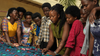
Digital Opportunity Trust (DOT) will continue to strengthen the capacity of these local youth-led and youth-serving organizations and cultivate a Community of Practice that fosters knowledge sharing, peer-learning, mentorship, and empowerment across the network. These partners will deliver high-quality digital livelihoods programming through incorporating DOT’s peer-to-peer model that entrusts local youth to build technology and business skills within their own communities.
Alongside program delivery, partners receive mentorship and organizational strengthening support to expand their reach and effectiveness. In doing so, the project harnesses the creativity, energy and leadership of African youth to advance more locally grounded development approaches and durable impact.
Through this partner network DOT and the Mastercard Foundation continue to invest in youth leadership, digital innovation, and entrepreneurial opportunity, ensuring that young people are not only participants but drivers of lasting change.
We warmly welcome our 25 new partners and look forward to shaping a youth-led future together, one where all youth can realize their potential and create meaningful impact within their communities.
The 25 new partner organizations include:
- Women for Sustainable Agile Development, (opens in a new tab) Malawi: a women-led organization that is dedicated to empowering women and youth through participatory sustainable development. WOSAD strives to create a society where women and girls are healthy, protected from exploitation, and fully empowered to realize their potential within an inclusive digital economy.
- Jacaranda Hub (opens in a new tab), Zambia: a social enterprise and eco-system developer that fosters youth innovation and entrepreneurship through a provision of collective services including mentorship, capacity building, business incubation, and digital skills programs.
- Community Development Initiatives Support (opens in a new tab), Tanzania: advances sustainable livelihoods and economic empowerment through innovative savings models and youth-focused agribusiness initiatives that strengthen agriculture, financial inclusion, and entrepreneurship nationwide.
- Resi fille (opens in a new tab), Côte d’Ivoire: empowers young girls to become role models and leaders in advancing sustainable development by promoting the empowerment, health and education of girls and young women, reducing obstacles through training, awareness-raising, support and advocacy actions.
- Young Women Rise (opens in a new tab), Malawi: advances women and youth economic empowerment, works to end gender-based violence, improves access to sexual and reproductive health services, and promotes girls’ education.
- The Healing Balm Foundation (opens in a new tab), Zambia: advocates for the inclusion of persons with disabilities, particularly women, youth, and children, empowering them to access services, employment, and life skills. Its vision is an inclusive society that respects disability rights, and its mission is to promote independence, employability, and social equality for marginalized individuals without segregation.
- E-MAC Tanzania (Empowering Marginalized Communities Across Tanzania), (opens in a new tab) Tanzania: empowers marginalized groups through youth economic empowerment, WASH, environmental conservation, and public health using inclusive, community-driven approaches aligned with national and global development goals.
- Impact’Lab (opens in a new tab), Côte d’Ivoire: an incubation centre and social innovation laboratory dedicated to supporting young people and women in developing their talents and skills in order to meet the challenges of their professional integration and promote their sustainable empowerment.
- Primrose Community Health Organization (opens in a new tab), Zambia: empowers children, adolescents, and youth through health services, economic empowerment, education, water, sanitation, and hygiene initiatives, as well as climate programs, providing skills training, entrepreneurship support, and resources to foster sustainable community development.
- Umunthu Plus (opens in a new tab), Malawi: empowers women, youth, and girls through sustainable agriculture, vocational and green skills, entrepreneurship, and information and communication technology, advancing climate resilience, economic independence, and inclusive development.
- Tanzania Albinism Society (TAS Morogoro) (opens in a new tab), Tanzania: empowers persons with albinism and other disabilities through advocacy, awareness, capacity building and climatic change, improving access to inclusive healthcare, education, livelihood and disability rights.
- Brave Heart Foundation (opens in a new tab), Zambia: provides life-saving assistance, including emergency food aid, ambulance services, and educational support, to refugees who have fled conflict and hardship. The foundation fosters a collaborative ecosystem that empowers displaced youth to transition from crisis to self-reliance through leadership training and sustainable development projects.
- CPGM (Coordination des promoteurs de groupement de Man) (opens in a new tab), Côte d’Ivoire: promotes the economic empowerment of women and girls through Village Savings and Loan Associations (VSLA), financial inclusion, and entrepreneurship, while advocating for female leadership, gender equality, combating gender-based violence (GBV), and driving mindset and behavioural change.
- NxtGen Labs (opens in a new tab), Malawi: advances education and innovation in emerging technologies, including machine learning, artificial intelligence, and robotics.
- Girls Awareness and Empowerment in Tanzania, Tanzania: an innovation lab that empowers girls, youth, and women through digital literacy, life skills, health awareness, and access to justice, advancing gender equality in science, technology, and sustainable development.
- Bakashana Basambilile (opens in a new tab), Zambia: empowers rural youth through a culturally grounded, strength-based approach. The organization provides scholarships for secondary and tertiary education, health services, computer and literacy training, life skills clubs in 31 schools, and a daycare for children with severe disabilities, fostering youth leadership and community development.
- HeR Liberty (opens in a new tab), Malawi: advances gender equality by empowering adolescent girls and young women, engaging boys as allies, and delivering programs in health, governance, education, and economic empowerment.
- Confederation of Organizations of Persons with Disabilities of Côte d’Ivoire (COPH-CI) (opens in a new tab), Côte d’Ivoire: advocates for the rights and inclusion of people with disabilities, uniting multiple federations to promote collective advocacy nationwide.
- HOPE Worldwide Lusaka (opens in a new tab), Zambia: improves health, education, and livelihoods for vulnerable children, youth, and families, addressing HIV, sexual and reproductive health, gender-based violence, early childhood development, and socio-economic challenges through community programs.
- Rays of Hope (opens in a new tab), Malawi: strengthens teachers, supports learners, and equips youth with digital skills and business start-up financing to build productive and sustainable livelihoods.
- Play It Forward (opens in a new tab), Zambia: empowers young people to take control of their lives, equipping them with skills for success in school, the workforce, and everyday life.
- Rukwa Sustainable Development Organisation (opens in a new tab), Tanzania: promotes sustainable development by empowering youth, women, and marginalized groups through climate action, sustainable agriculture, water, sanitation, and hygiene initiatives, good governance, and economic empowerment.
- Charity Center For Children and Youth Development (opens in a new tab), Zambia: in response to the challenges faced by orphans, vulnerable children, youth, and women, CCCYD is dedicated to improving access to education, skills development, and sustainable livelihoods. It implements impactful programs in girls’ education, vocational skills, STEM, youth entrepreneurship, financial literacy, women’s empowerment, and community development.
- Digital Women Active Africa (DWA-AFRICA) (opens in a new tab), Côte d’Ivoire: empowers, engages, and educates girls and young women by promoting their inclusion in STEM fields, while also advocating for women’s sexual and reproductive health rights to support economic development and female empowerment.
- Copper Rose (opens in a new tab), Zambia: empowers youth and women across health, youth development, and gender sectors by prioritizing nurturing young people as Africa’s greatest asset, driving social and economic development.
These partners are joining a network of 14 other Youth-led and Youth-serving organizations across Tanzania, Malawi, Côte d’Ivoire and Zambia who have been implementing the project since 2024.
Going Beyond Program
The Going Beyond Program is a five-year initiative implemented by Digital Opportunity Trust.
Read next
All Articles-
Bringing Clean Energy Opportunities to Women and Youth in Nigerian Agriculture
-
Green RISE Africa: Working with the Next Generation of Green Entrepreneurs
-
Mastercard Foundation and BRAC Expand Landmark Partnership to Unlock Pathways to Dignified and Fulfilling Work for 2 Million Young Women Across Africa