Young Africa Works Summit
Advancing Dignified and Fulfilling Work for Young People

Kigali, Rwanda. June 29, 2026
The Young Africa Works Summit was a day-long working session focused on accelerating progress to dignified and fulfilling work for young people across Africa.
The Summit centred the perspectives of young people and brought together policymakers, private sector leaders, financial institutions, educators, development institutions, and young entrepreneurs to examine what it will take to enable more young people to access stable and resilient livelihoods.
The Foundation shared what it has learned in implementing its Young Africa Works Strategy, including what has worked, where progress has been uneven, and where structural barriers remain. These insights were offered as inputs into a broader conversation.
Grounded in the perspectives and lived experiences of young people, the Summit is designed to foster meaningful cross-sector engagement, surface practical insights, and define clear, actionable steps to advance youth employment outcomes across Africa.
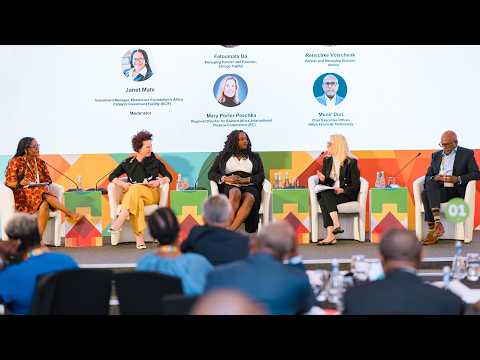
Watch The Highlights From the Young Africa Works Summit
What’s the intended outcome of the Summit?
The intended outcome is a clear, concrete set of actions and next steps that can accelerate access to dignified and fulfilling work for young people in Africa in practical and measurable ways.
The State of Play: Why Dignified and Fulfilling Work Matters Now
Young Africa Works Summit Agenda Session I
-
What We Are Learning from Implementing Young Africa Works
The Summit was grounded in practical lessons from seven years of implementation, and highlighted what has helped young people access dignified and fulfilling work, where progress has been fragile, and what these lessons suggest about the system changes still required to achieve impact at scale.
-
Powering Dignified and Fulfilling Work at Scale: Leadership Perspectives
An open conversation about the major economic, demographic, technological, and policy shifts that can shape employment opportunities for Africa’s young people over the coming decade and identify the system-level actions required to expand access to dignified and fulfilling work at scale.
-
Download the full agenda
Click to download the full agenda.
Unlocking Opportunity at Scale: Sectors, Systems, and Pathways to Work
Young Africa Works Summit Agenda Session II
-
Which sector and system shifts are needed to unlock employment opportunities at scale?
Identify the sectors and system shifts that can unlock the highest employment and enterprise growth opportunities for young people.
-
Education, Skills, and Workforce Transitions
Examined how education systems, employers, governments, and training institutions need to align to equip young people with the skills, experience, and pathways to succeed in evolving labour markets.
-
Entrepreneur Realities: Scaling Youth Enterprises
An open discussion among young entrepreneurs on the realities of building and scaling youth-led enterprises in Africa.
-
Financing Pathways to Dignified and Fulfilling Work
Explored how different forms of capital can support enterprise growth, job creation, and pathways to dignified and fulfilling work for young people, and identify what financial actors can do differently to better support youth-led enterprises and inclusive economic growth.
-
Download the full agenda
Click to download the full agenda.
From Dialogue to Action
Young Africa Works Summit Agenda Session III
-
Turning Dialogue into Action: Priorities for Enabling Dignified and Fulfilling Work
Insights from Pre-Summit country dialogues, Summit discussions, and participant perspectives to identify the priorities, shifts, and enabling conditions needed to accelerate access to dignified and fulfilling work for young people.
-
Closing and Next Steps
CEO and President of the Mastercard Foundation, Sewit Ahderom, closed the Summit with reflections and next steps.
-
Download the full agenda
Click to download the full agenda.
Here’s What We’ve Learned In Seven Years.
Our Impact Brief provides an overview of dignified and fulfilling work, how we assess it, and what seven years of implementation have revealed about young people, the systems around them, and the conditions that make progress more likely to endure.
Read the lessons learned