The Zero Project annual conference is one of the world’s leading platforms for innovation in disability inclusion.
Over the past decade, Zero Project has built a global network of more than 10,000 experts, policymakers, businesses, and practitioners working to advance the rights of persons with disabilities. Each year, the conference identifies and highlights solutions that demonstrate measurable impact and potential for scale.
The 2026 conference focused on accessibility, information and communication technology (ICT), and crisis response. These themes reflect the growing recognition that accessible infrastructure and digital systems are essential to participation in modern economies and societies.
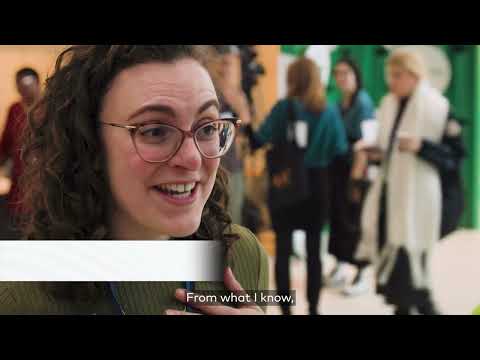
Watch the Highlight Video from the 2026 Zero Project Conference
How we listened and what we learned
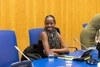
For organizations working on disability inclusion, the conference offers a space where proven approaches can be shared, tested, and adapted in different contexts, helping strengthen collaboration across regions and sectors. This year, we participated in a youth panel titled “Young Persons with Disabilities as Changemakers” to highlight an important shift in how disability inclusion is being approached globally.
Bringing together youth leaders, practitioners, and partners, the session emphasized a clear message: meaningful inclusion happens when young persons with disabilities are positioned as leaders and contributors within systems, not only as participants in them.
- Youth leadership sparks systems change: Young persons with disabilities are often invited into conversations about inclusion, but too rarely are they given opportunities to influence how programs and institutions operate. Panellists emphasized that when youth with disabilities participate as decision-makers, advisors, and practitioners, they bring insights that strengthen policies, programs, and workplace practices. This shift, from participation to leadership, helps ensure that inclusion becomes part of everyday systems rather than a separate initiative.
- Lived experience improves solutions: Young people with disabilities shared how navigating education systems, workplaces, public infrastructure, and digital platforms means they see barriers others may not notice. These perspectives can help institutions design solutions that respond to real challenges rather than assumptions. Their advice: When engaging young people with disabilities as trainers, facilitators, and advisors, listen to the insights they have gained in real life to help ensure that inclusion strategies translate into practical applications.
- Disability inclusion is not an afterthought: Inclusion must be integrated into mainstream systems, including workplaces, education institutions, policies, and development programs. When accessibility and inclusion are built into systems from the start, they become part of how institutions operate. Embedding inclusion within mainstream systems expands opportunities for persons with disabilities while strengthening those systems.

Ideas in action: We Can Work
The We Can Work program was showcased as an example of how youth leadership can contribute to systemic change.
Implemented by Light for the World in partnership with the African Disability Forum and supported by the Mastercard Foundation, the initiative aims to enable young women and men with disabilities across Africa to access dignified and fulfilling work.
Through the program, young people with disabilities contribute to initiatives that promote disability inclusion in training institutions, workplaces, and entrepreneurship programs. Their involvement helps organizations strengthen inclusive practices and expand employment opportunities. The program demonstrates how youth leadership can help translate disability inclusion commitments into practical change.
Innovation in action: Connects education and employment
We Can Work showcases another practical example: CapAble, a digital resource platform developed by Light for the World to help universities and tertiary institutions implement disability inclusion in higher education.
CapAble received a Zero Project Award 2023 for its contribution to inclusive education. Originally developed to support the Mastercard Foundation Scholars Program, the platform has reached more than 30,000 users since its launch in 2021.
CapAble is now integrated into the WeCanWorkAfrica.org platform. This integration expands access to tools, assistive technology resources, training materials, and practical guidance that help institutions translate disability inclusion commitments into everyday practice.
By connecting education systems with employment pathways, platforms like We Can Work help ensure that inclusive opportunities continue beyond individual programs.
A shared path forward
The youth panel at the Zero Project Conference reinforced an important insight: young persons with disabilities bring perspectives and skills that strengthen institutions and communities.
When they are included authentically in decisions and programs, not only as participants but as leaders, they help design systems that are more accessible, inclusive, and effective.
Platforms like the Zero Project Conference play an important role in advancing this work. By connecting global innovation with real-world practice, they help ensure that solutions that remove barriers are shared, strengthened, and expanded.
The work of disability inclusion grows stronger when more people take part. Visit the WeCanWorkAfrica.org to learn practical ways to apply disability-inclusive behaviours and considerations in your work.

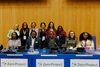
L- R: Maryanne Emomeri and Olamide Ewejobi, Young Disability Inclusion Facilitators, and Ambrose Murangira and Faith Masengo from Light for the World.
Disability Inclusion
We believe inclusive economic growth is essential to unlocking the full potential of young people in Africa and Indigenous youth in Canada.