Sekina Hassen
More Than Bread: Sekina’s Bakery in Bambasi
When women have access to build, they build more than a business. They build stability. They build momentum that reaches beyond their doorstep.
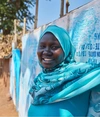
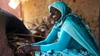
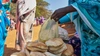
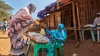
At sunrise in Bambasi, a refugee camp in Ethiopia, the smell of fresh bread travels before Sekina does. By the time her first customers arrive, trays are full and the oven is already hot. Her children weave in and out of the compound, getting ready for school, voices rising over the crackle of firewood. This is how Sekina’s day begins, with flour, fire, and work.
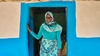
Sekina Hassen was born in Gizen, South Sudan, and fled to Ethiopia in 2016 to escape conflict. Since then, she’s steadily built a thriving business that feeds her community and supports her family. Two years ago, staff from Inkomoko noticed how busy her stall was and invited her to join its business development training program.
With customer demand exceeding her capacity to supply, she quickly accepted.
“The day I registered, I felt my long-time dream of becoming a businesswoman was finally within reach,” she said.
Sekina completed four months of business and financial management training and received a loan of 30,000 ETB (193 USD), along with ongoing coaching and tailored consulting. With that capital, she began purchasing flour and other inputs in bulk, increasing her daily production to 800 loaves, a fourfold rise from before.
“The training helped me most because it changed my mindset,” she explained.
The first signs of change appeared at home. Her children now attend school regularly. Meals are more varied. “I am most proud of the improvements I made to my house and the assets I created, such as rearing goats,” she said.
The bakery operates within the compound, keeping Sekina close to her family throughout the day. When she is unable to bake, her brother-in-law, Beshan, steps in to support the business. “Sekina’s growth helped the family and close relatives like me,” he said. “I feel more confident knowing we can support each other when things are difficult.”
That confidence is visible beyond her household. Three community members now retail her bread. Tea houses buy from her in bulk. Families no longer travel long distances for bread. Small traders earn income through her supply. Money circulates through transactions that begin at her oven.
Sekina’s growth shows what becomes possible when women are given the space to build.
In Ethiopia, Inkomoko works with entrepreneurs like Sekina through business and financial management training, access to capital, and tailored consulting to support sustainable growth. This support is delivered in partnership with the Mastercard Foundation, expanding access to finance and enterprise support for displacement-affected communities.
Moges Admassu, Business Development Manager at Inkomoko, has seen Sekina’s progress firsthand. He notes that she has earned deep respect in the community.

Moges Admassu, Business Development Manager at Inkomoko
Community leader Esan Ali said, “When we first arrived, there were no nearby marketplaces, and people had to travel far to buy basic items. Now goods are available within the camp, making daily life easier for everyone.”
Sekina’s business is part of that shift. As more entrepreneurs are able to operate legally, markets inside Bambasi are growing.
Inkomoko works with more than 1,500 entrepreneurs in Bambasi, many of whom provide essential goods and services within the camp. As aid models shift across Ethiopia, these locally led businesses are playing a growing role in sustaining daily life.
Sekina’s expansion depended on more than skill and determination. For years, without a work permit, she could not formally register her business, open a bank account, or travel freely to buy flour in bulk.Since 2021, more than 1,500 work permits have been issued in the area, and 800 refugees have opened bank accounts through a partnership with Dashen Bank after administrative fees were waived.
Collaboration between Inkomoko, the Ethiopian Refugee and Returnees Service (RRS), UNHCR, and financial institutions is reshaping how business works in Bambasi, making it possible for entrepreneurs like Sekina to register, access banking, and grow with confidence.
Moges explains that progress happens when policy advocacy is matched with practical enterprise support. Training, finance, consultation, and market linkages work together to help entrepreneurs operate and grow their businesses with confidence.
This structural alignment across government, financial institutions, and NGOs is what allows entrepreneurs like Sekina to move from informal survival to registered, growing businesses.
“After Inkomoko, I started to believe my business could grow beyond the camp,” Sekina reflected.
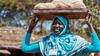
Her next goal is expansion. With electricity now available in the camp, she plans to upgrade her baking equipment to increase production and explore wholesale distribution. She also encourages other entrepreneurs to participate in training and strengthen their own businesses.
When women have access to build, they build more than a business. They build stability. They build momentum that reaches beyond their doorstep.
Inkomoko has committed to investing $90 million in women-owned businesses by 2027, expanding access to finance and opportunity across displacement-affected communities.
This International Women’s Day, let’s make that the norm.
Stand with women like Sekina. Back the work that is already rising.



This story was initially published on the Inkomoko website.


Beyond Bias and Barriers: Ipti’s Journey to Becoming a Mining Engineer
Ghana
A Mastercard Foundation Scholar at EARTH University Seeking Solutions for his Community
Costa Rica, Uganda
Built to Belong: Stephanie Egharevba's Fight to Make Inclusion Real
Nigeria
Doreck Ankunda on Disability Inclusion and Finding Your Voice When the World Doesn’t Want to Listen
Uganda
Grace Champions Women’s Voices In Agriculture In Kenya
Kenya